
Foundation earns ‘unmodified’ audit opinion for FY2025 financials
The Community Foundation of Harrisonburg and Rockingham announces that its financials have received an “unmodified,” or clean audit opinion from independent auditor Brown Edwards & Co, LLP, for the fiscal year ending June 30, 2025.
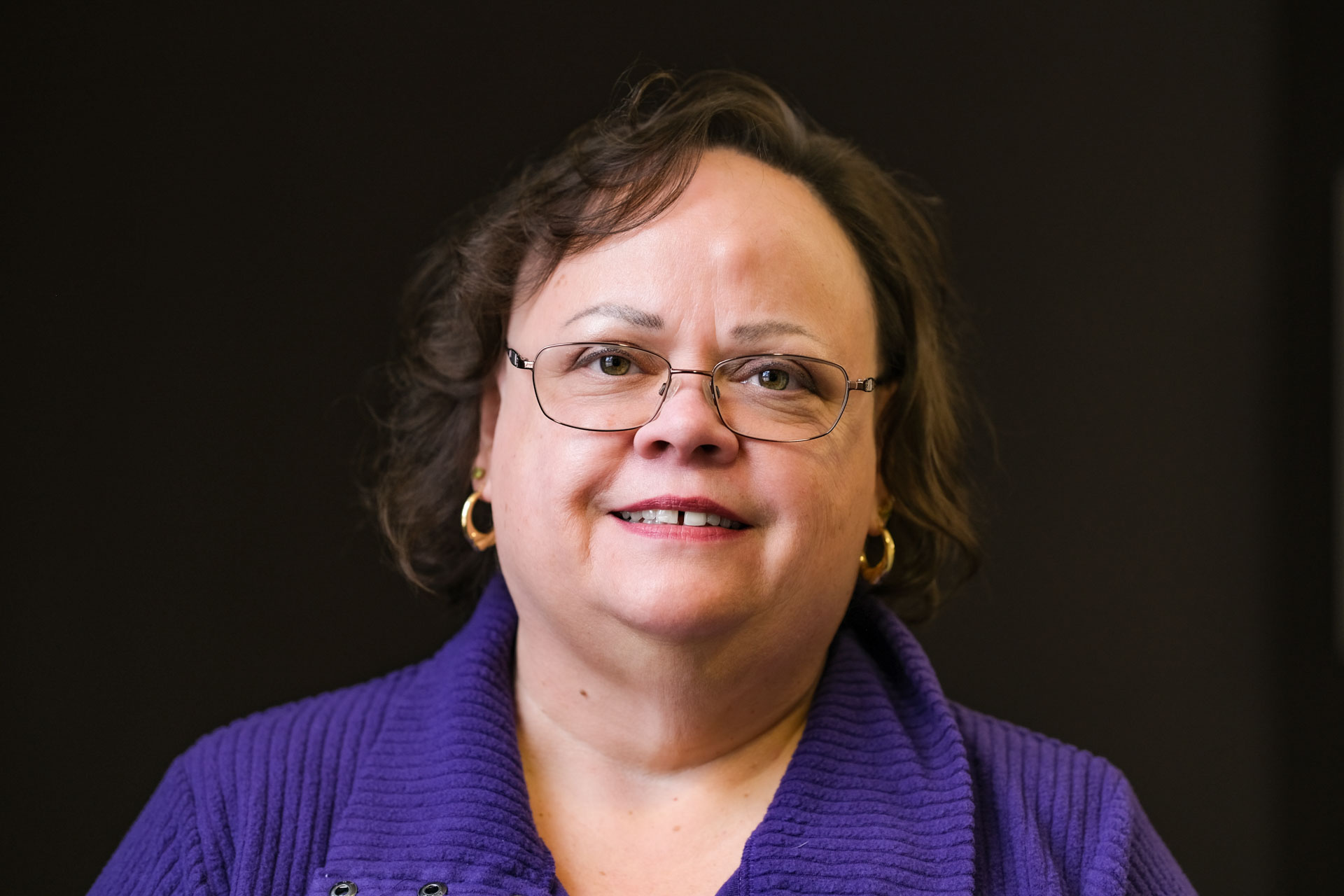
“This is the best type of audit opinion to receive, as it is a clean opinion,” said Chief Financial Officer Anna Wagner.
View the FY 2025 Audit Report.
For Wagner, concluding the audit process always a relief — and an exciting point in the year as well.
“We get to officially close the fiscal year with permanence and share our financial information publicly with the donors, fundholders, and clients to let the numbers tell our story of impact in the community,” she said.
Wagner encourages those interested to take a look at the audited financial statements, including the notes.
“The other documentation we use to tell the story of the financial year is the annual report, available next month,” she said.
The annual independent audit is required to maintain accreditation with the Community Foundation National Standards (CFNS). This accreditation requires proof of “legal, ethical, effective practices” in donor services, investment management, grantmaking, and administration.
Last week, the foundation received news it earned re-accreditation for three more years.
The annual audit is also a significant sign to donors, the board of directors, and the general public that the foundation “prioritizes stewardship, accountability, and accuracy,” Wagner says, and is “committed to excellence and care at all levels of the organization, especially with financial information that isn’t ‘loud and flashy.’”
The audit also adds assurance to any annual financial reporting of the foundation, she added, because independent professionals are making sure the financial records are accurate.
“Accountability is key,” Wagner said, “and we want to provide the highest level of confidence to our donors as they trust us with their charitable dollars.
Wagner actually never stops preparing for the annual audit, as careful accounting and processing occurs every workday. The entire fiscal year, however, must be accounted for and a “complete set of books” ready for review when the auditors arrive at the office each fall.
Auditors make standard requests to meet basic auditing requirements — for example, schedules supporting all the numbers and a sample of various accounts — but they can also request other information. Over the week-long on-site visit, auditors also learn about the organization’s processes, assess risks, and perform procedures on various types of activity, such as sampling and analytics.